Creative Skylight Designs: Creative Approaches to Transform Your Living Space Design
Creative skylight designs offer an exceptional chance to improve living spaces. By incorporating distinctive shapes and multi-panel options, homeowners are able to dramatically change the feel of their surroundings. These qualities not only address visual appeal but also boost energy efficiency and usability. Understanding the transformative benefits of skylights can guide informed choices. Yet, the question remains: how can one select the perfect skylight to harmonize with their personal style and home design?
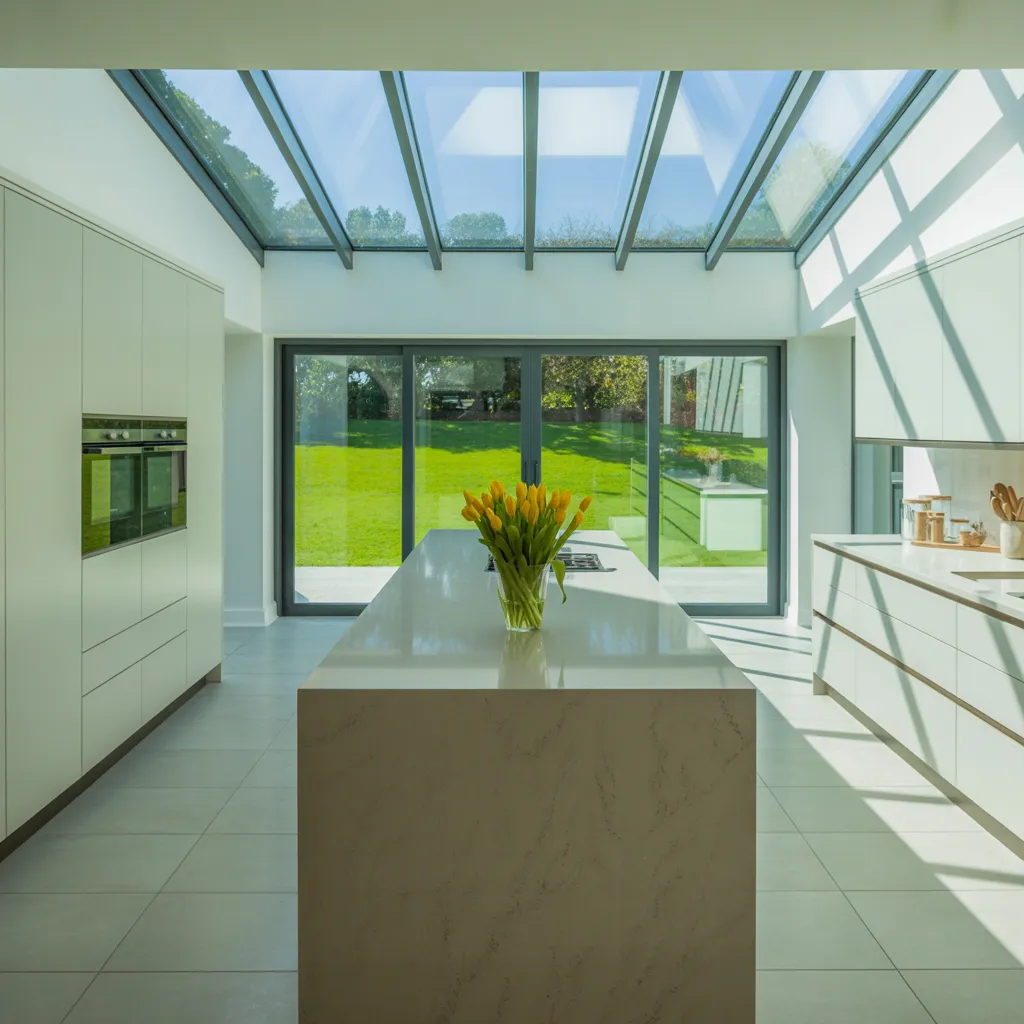
Revolutionary Advantages of Skylights in Interior Design
While numerous factors play a role in interior design, skylights stand out for their transformative benefits. They serve as a crucial source of natural light, improving the general atmosphere of a room. By filling indoor spaces with natural sunlight, skylights can make rooms feel larger and more inviting, generating a feeling of openness that conventional lighting typically cannot match. Additionally, the introduction of natural light has been shown to improve mood and productivity, rendering skylights an outstanding option for residential and commercial environments alike.
Additionally, skylights may decrease dependence on artificial lighting, resulting in energy savings and a smaller carbon footprint. Their strategic positioning can also emphasize architectural features, lending a one-of-a-kind aesthetic appeal to the structure. With a wide range of styles and sizes at your disposal, skylights can be tailored to align with diverse interior themes, making them a versatile option for elevating both beauty and functionality in every space.
Remarkable Geometric Skylight Configurations to Review
Unique geometric skylight shapes can tremendously elevate interior spaces by adding visual interest and character. Triangular skylight configurations provide a contemporary feel, while round alternatives bring a sense of softness and fluidity. Each of these forms offers distinct ways to integrate natural light into diverse architectural designs.
Triangular Skylight Concepts
Triangular skylights provide a compelling departure from conventional forms, drawing the eye with their angular beauty. Such exceptional skylights are capable of revolutionizing any interior, introducing an element of modernism while enhancing the intake of natural illumination. The sharp angles generate captivating visual appeal, making them a perfect fit for modern living spaces. Furthermore, triangular forms blend naturally into diverse architectural aesthetics, from minimalist to industrial. By enabling natural light to stream in from various directions, they elevate the atmosphere and sense of space in a room. Beyond that, the versatility of triangular skylights enables customization, accommodating a variety of personal design tastes. In the end, these forward-thinking designs both enhance interior aesthetics and foster a warmer, more luminous environment.
Round Skylight Alternatives
Circular skylight selections provide an elegant and harmonious choice for enhancing interior spaces. These unique geometric designs not only welcome abundant daylight but also establish a captivating centerpiece. Found in multiple dimensions, circular skylights can fit seamlessly into different architectural styles, from modern to traditional. Their uniform design fosters a sense of balance, making them perfectly suited to rooms that thrive with gentle lighting, such as living areas and bedrooms. Additionally, cutting-edge glazing systems deliver energy efficiency while minimizing heat loss. Personalization features, such as ornamental frames and colored glass, allow homeowners to customize their installations uniquely. Ultimately, circular skylights serve as an ideal marriage of aesthetics and utility, improving both appearance and mood in any interior setting.
Multi-Panel Skylights: A Modern Aesthetic
As homeowners seek to blend natural light with contemporary design, multi-panel skylights emerge as an elegant solution. These structural features comprise multiple adjoining panels, enabling sweeping views of the sky and maximizing natural light. Their versatile modular design delivers flexibility, making them well-suited for diverse roof configurations and dimensions, while enhancing the overall aesthetic of both modern and traditional homes.
Multi-panel skylight systems have the ability to create dramatic visual lines and enhance the depth of interior environments. Coming in various materials, including glass, acrylic, and more, they are customizable to match individual preferences. Additionally, the configuration of panels can be arranged to form one-of-a-kind geometric patterns, providing a dynamic focal point in a room.
Integrating multiple skylight panels not only elevates the aesthetic appeal of interior spaces but find now also cultivates a bond with the natural environment, elevating the living experience. This remarkable architectural feature is set to transform the understanding of natural light in interior design.
How Skylights Improve Energy Efficiency in Your Home
Although many homeowners focus on appearance when thinking about skylights, their energy-saving advantages are just as important. Skylights can improve the natural lighting in a home, reducing reliance on artificial lighting during the day. This not only lowers electricity bills but also creates a healthier indoor environment.
In addition, current skylights typically offer energy-saving glazing that decreases thermal loss in winter and controls overheating in summer. Such superior insulation contributes to greater thermal stability, reducing the need for heating and cooling systems. Moreover, strategically placed skylights can facilitate cross-ventilation, further enhancing a home's energy efficiency by allowing fresh air to circulate naturally.
Connecting Skylights to Your Smart Home Technology
Integrating skylights with smart home technology transforms how natural light and ventilation are controlled within a living space. With the integration of automated systems, homeowners can regulate skylight operations based on weather conditions or personal preferences. Smart sensors can detect sunlight intensity and regulate the skylight apertures to optimize natural light while minimizing heat gain.
Moreover, these units can be scheduled to operate on schedules, enabling ventilation during particular times of the day. Compatibility with home automation hubs enables wireless control via smartphones or voice commands, boosting convenience. In addition, energy-efficient skylights integrated with smart technology can issue alerts for maintenance needs, ensuring longevity and performance.
At the end of the day, the integration of skylights and smart technology not only enhances comfort but also supports energy savings, enabling homeowners to take advantage of the advantages of natural light without compromising oversight.
Key Tips for Choosing the Perfect Skylight for Your Home
Selecting the best skylight requires thorough assessment of several factors to optimize both performance and visual appeal. Residents should start by considering the intent of the skylight, whether it's for sunlight, ventilation, or both. This decision influences the style and positioning of the skylight.
Additionally, it is important to consider the size; larger skylights provide more light but may require extra structural reinforcement. Energy efficiency is also an important consideration; selecting models with insulated glass can lower energy expenses.
The surrounding climate is also an important consideration; durable materials are necessary for areas with extreme weather conditions. Additionally, property owners should assess shading solutions to manage light and thermal gain.
To conclude, it is recommended to seek professional installation to guarantee adequate sealing and proper alignment, avoiding leaks and optimizing performance. By thoughtfully addressing these elements, homeowners can make informed skylight selections that positively transform their living areas.

Common Questions and Answers
What Maintenance Is Required for Different Types of Skylights?
Different skylight types require varied maintenance; non-opening versions necessitate routine cleaning, while ventilated models require inspection of seals and moving parts. Regular inspections for leaks and debris removal are essential to guarantee peak performance and longevity.
Can Skylights Be Added to an Existing Home?
Skylights are indeed a viable option for existing homes. Skilled experts examine the structural integrity and roofing components before proceeding with installation, providing thorough sealing and insulation to eliminate leaks and boost energy performance, which significantly increases the amount of natural light in the home.
How Do Skylights Affect Indoor Temperature Regulation?
Skylights can notably affect interior temperature control by permitting natural light to flow in, which can provide warmth to rooms during cold seasons. However, without proper insulation and shading, they might also result in overheating in warmer seasons.
Are There Any Safety Concerns With Skylights?
Yes, safety concerns with skylights include leaks, compromised structural integrity, and breakage hazards. Ensuring proper installation, performing regular upkeep, and opting for tempered or laminated glass are effective ways to minimize these risks and boost overall safety.
What Are the Top Materials for Skylight Frames?
Aluminum and vinyl are often considered the best materials for skylight frames because of their robust durability, ease of maintenance, and superior resistance to the elements. Timber frames, despite their attractive appearance, necessitate more care and tend to be vulnerable to decay.